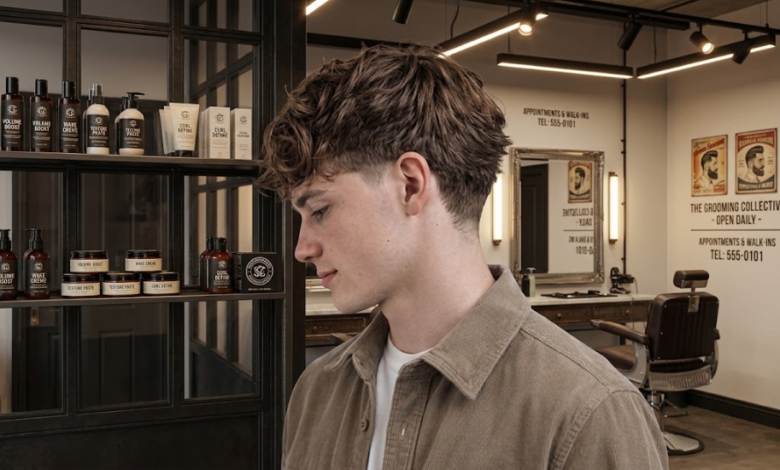
A low taper fade is one of the most versatile modern haircuts for men, combining a clean, polished appearance with enough length and texture to keep the overall style natural. Unlike dramatic fades that quickly remove hair high up the sides of the head, this cut begins its gradual taper close to the ears and neckline. The result is subtle, balanced, and easy to adapt to different hair types, face shapes, and personal styles.
What Is a Low Taper Fade?
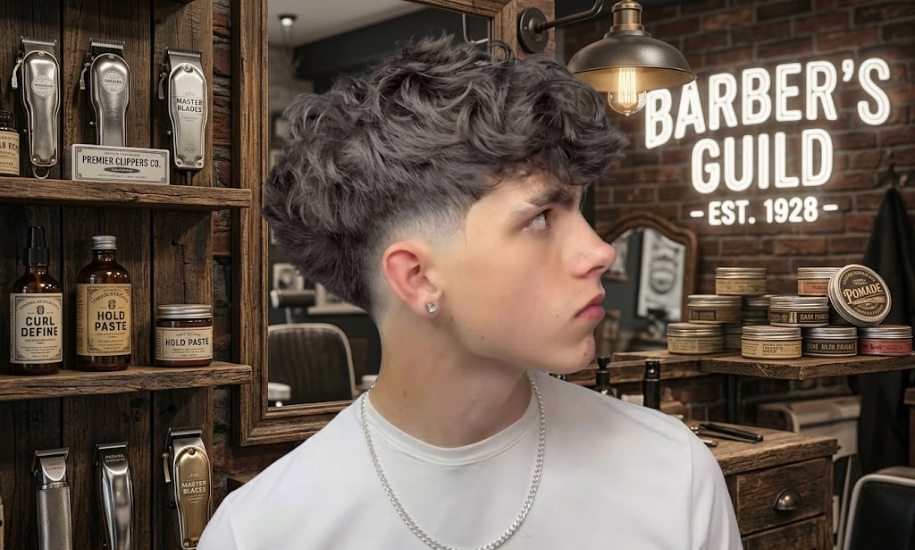
A low taper fade gradually shortens the hair around the sideburns, ears, and neckline while leaving most of the hair on the sides and top relatively full. The transition is designed to look smooth rather than sharply disconnected.
This subtle approach makes the haircut suitable for people who want a fresh appearance without committing to an extremely short style. The top can be worn curly, wavy, textured, brushed back, parted, or relatively natural.
One of its biggest advantages is versatility. It can work equally well in casual settings, professional environments, and more fashion-conscious looks.
Why This Haircut Is So Versatile
The appeal comes from its ability to balance neatness and individuality. Because only the lower portion of the sides is tapered, the haircut retains more natural volume than a traditional high fade.
It can also complement many hairstyles. Someone with straight hair might pair the taper with a textured crop, while someone with curls can keep substantial length on top and allow the natural pattern to become the focal point.
The style can also be adjusted according to preference. A barber can create a very subtle transition for a conservative appearance or make the taper more noticeable for a sharper finish.
Low Taper Fade vs. Other Fade Styles
Understanding the difference between fade variations helps when explaining your desired haircut to a barber.
A low fade generally begins its transition around the lower sides of the head, creating a gradual change from short hair to longer hair. A mid fade starts higher, around the middle of the sides,low taper fade while a high fade reaches considerably farther toward the temples.
A skin fade takes the shortest section down to the skin, producing a much more dramatic contrast. By comparison, alow taper fade can remain understated, particularly when the barber leaves some natural length around the sides.
The right option depends on how much contrast you want and how frequently you are prepared to maintain the haircut.
Popular Ways to Wear the Style
There is no single version of this haircut.low taper fade Its flexibility allows it to be combined with numerous top styles.
Textured Top
A textured top creates a relaxed and contemporary appearance. Styling cream, matte clay, or a light texturizing product can help separate individual strands without making the hair look overly polished.
Curly Hair
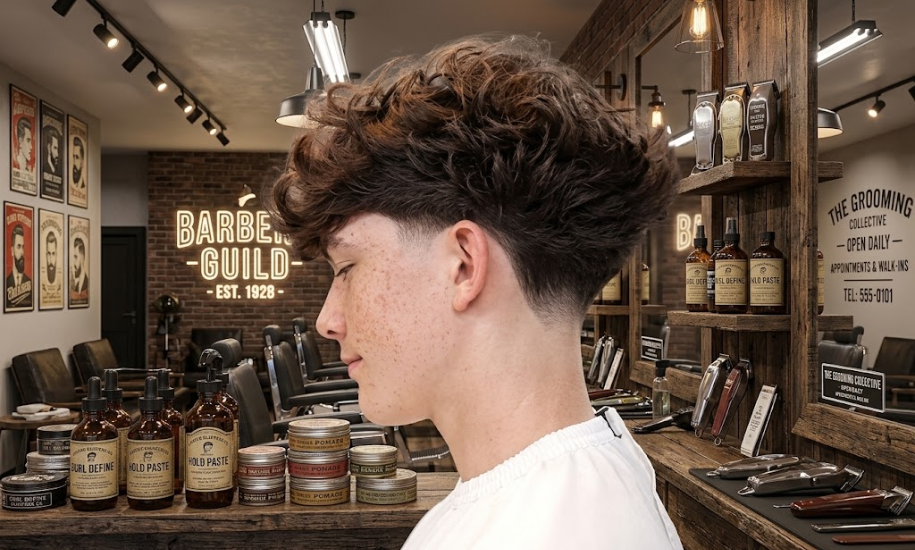
For curly hair, the taper provides definition around the edges while preserving the natural curls above. Keeping the curls longer can create an attractive contrast between the clean neckline and fuller top.
Side Part
A side part gives the haircut a more traditional character.low taper fade It can be particularly effective for people who prefer an organized, professional appearance while still wanting a modern touch.
Slicked-Back Style
Longer hair on top can be brushed backward for a sophisticated finish. A lightweight styling product can provide control without completely flattening the natural texture.
Short Crop
Those who prefer low-maintenance styling can combine the taper with a short crop. The reduced length on top makes everyday styling quick while the tapered edges keep the haircut looking refined.
Choosing the Right Version for Your Face Shape
Face shape can influence how the haircut looks overall. A rounder face may benefit from additional height and texture on top, which can visually elongate the face. Someone with a longer face might prefer more volume around the sides and less height above.
Oval face shapes are particularly flexible because they generally work well with a wide range of proportions.low taper fade Square faces can also suit this style because the clean edges emphasize an already defined jawline.
Rather than following a strict rule, it is useful to discuss your face shape and natural hair growth with your barber. Small adjustments can make a significant difference.
How to Ask Your Barber for the Cut
Clear communication is essential. Instead of simply naming the haircut, explain how subtle or noticeable you want the taper to be.
You might say that you want the taper kept low around the ears and neckline, with the top left longer for styling. If you have a particular reference photo,low taper fade showing it to your barber can make the desired length and shape easier to understand.
Also mention whether you want a natural neckline or a sharper edge. These details can change the final appearance considerably.
Maintenance and Styling Tips
Although the style is relatively easy to manage, regular maintenance helps preserve its clean shape. The tapered sections tend to become less defined as the hair grows, so many people choose to visit a barber every few weeks.
At home, use products according to your hair type rather than applying excessive amounts. Fine hair often benefits from lightweight products, while thick or coarse hair may require stronger control.
For curly hair, moisturizing products can help maintain definition. Straight or wavy hair may benefit from a matte styling product when a textured finish is preferred.
Keeping the neckline and sideburn area tidy between barber visits can also help maintain the overall appearance.
Is It Suitable for Every Hair Type?
One reason this haircut remains popular is that it adapts well to different textures. Straight, wavy, curly, and coily hair can all be shaped around a low taper fade,low taper fade although the technique may vary.
Hair density also matters. Someone with very thick hair may need additional texturizing on top, while thinner hair can benefit from a carefully chosen shape that creates the impression of greater fullness.low taper fade
A skilled barber can adjust the taper according to natural growth patterns, cowlicks, density, and texture.
Common Mistakes to Avoid
One common mistake is asking for an overly high transition when the goal is a subtle taper. Bringing the fade too far upward changes the character of the haircut.
Another issue is neglecting the top. The taper may be excellent,low taper fade but an unsuitable top length can make the overall style feel unbalanced.
It is also important not to copy a reference photograph without considering differences in hair texture and face shape. A haircut should be adapted rather than duplicated exactly.
Frequently Asked Questions
1. How long does a low taper fade usually last?
The haircut can remain presentable for several weeks, although the sharpness of the taper gradually softens as the hair grows. People who prefer crisp edges may schedule more frequent trims.
2. Is a low taper fade good for curly hair?
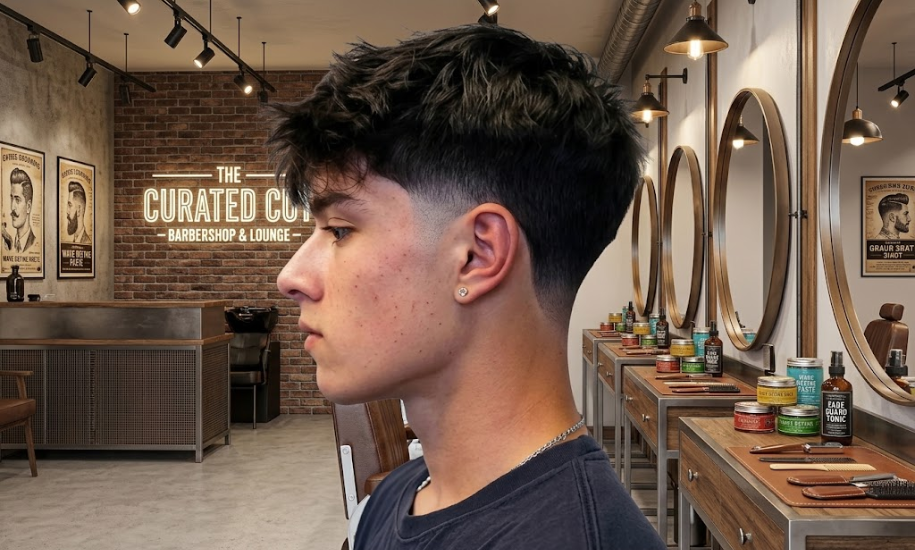
Yes. It can work especially well with curls because the shorter edges create definition while allowing the natural texture on top to remain prominent.
3. Is this haircut suitable for professional settings?
Generally, yes. Its subtle transition makes it less aggressive than many higher fade styles, allowing it to work well in both casual and professional environments.
4. Does a low taper fade require daily styling?
Not necessarily. The amount of styling depends mainly on the length and texture of the hair on top. Shorter cuts may require very little preparation.
5. What should I show my barber?
A clear reference photo is useful, but also explain how low you want the taper, how much length you want to keep on top, and whether you prefer a natural or defined neckline.
A Timeless Choice With a Modern Edge
A low taper fade offers a practical middle ground between traditional grooming and contemporary barbering. Its subtle transition keeps the sides and neckline tidy without overwhelming the natural shape of the hairstyle. With the right top length, texture, and maintenance routine, it can be adapted to create everything from a relaxed everyday look to a polished professional style.
For readers looking for practical grooming ideas and straightforward style guides, infoblick continues to explore modern hairstyles and personal style topics with an emphasis on useful, easy-to-understand information.

